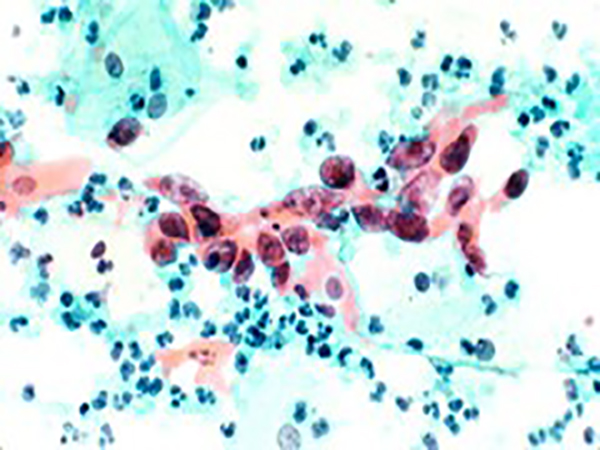
Anal Cancer

Anal cancer is a disease in which malignant cells form in the tissues of the anus, which is located at the end of the large intestine below the rectum. The National Cancer Institute estimated that about 10,930 people in the United States would be diagnosed with cancer of the anus in 2025, and 2,030 people would die of the disease. The five-year relative survival rate for anal cancer is 71.3%.
Anal cancer can either start in the lining of the anal canal, which is called the mucosa, or in the perianal skin, which is the area outside of the anus that contains hair follicles and sweat glands. Tumors of the perianal skin are usually treated the same way as anal cancer, but in some cases, treatment may be limited to only an area of the skin.
Being infected with human papillomavirus (HPV) increases the risk of developing anal cancer. Other risk factors include:
- a high lifetime number of sexual partners;
- having receptive anal sex;
- having a condition that weakens the immune system, such as HIV or an organ transplant;
- a personal history of vulvar, vaginal, or cervical cancers; and
- smoking cigarettes.
Source: National Cancer Institute

You can support the AACR's mission by contacting your representatives and senators and advocating for increased funding for lifesaving cancer research.
Learn More