
Highlights From AACR IO 2026: Breaching the Tumor Microenvironment Fortress With New CAR T and Chimeras
Three innovative studies at AACR IO 2026 presented new ways for CAR T cells and antibody-lectin chimeras to tackle...
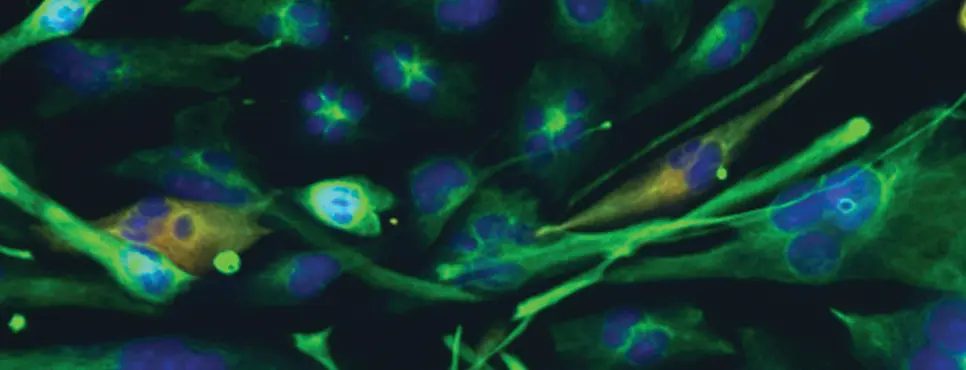
Three innovative studies at AACR IO 2026 presented new ways for CAR T cells and antibody-lectin chimeras to tackle...
With a five-year survival rate of only 12.5%, any progress toward new therapeutic approaches for pancreatic cancer is welcomed...
Our immune systems are equipped to recognize and destroy cancer cells—if they can find them, that is. And with...

Cancers are driven by unique genetic alterations, so what if we targeted these alterations to treat the cancer? It seems...
In the opening keynote session of the AACR Special Conference on Pancreatic Cancer, which took place September 27-30 in...

For the past five years, cohorts of talented young researchers from around the world have participated in the AACR...

For our readers who enjoy learning about the newest tools and strategies in cancer research, the second installment of...

As you prepare for trick-or-treating, check out the articles selected by the editors of the 10 AACR journals for...

In 2021, Lillian L. Siu, MD, and Elaine R. Mardis, PhD, FAACR, each received a call from AACR Chief...
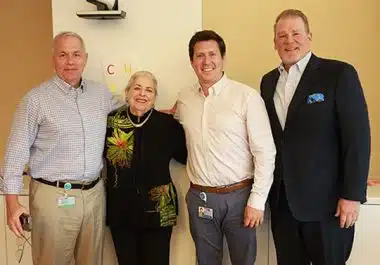
Neuroblastoma, a rare cancer that occurs primarily in children, is a scientific paradox, said pediatric oncologist John M. Maris,...

The AACR Annual Meeting 2023, held April 14-19, commemorated several milestones, including the 25th anniversary of the approval of...