
FDA Approvals in Oncology: January-March 2026
In the first quarter of 2026, the FDA issued nine approvals in oncology, including treatments for blood cancers, pancreatic...
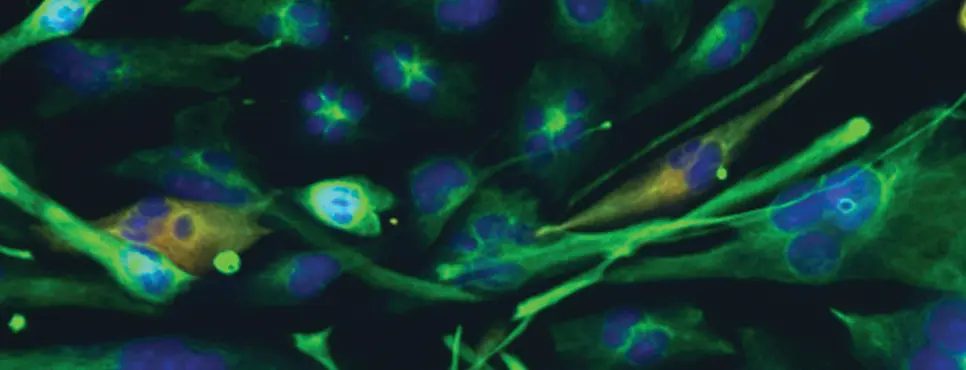
In the first quarter of 2026, the FDA issued nine approvals in oncology, including treatments for blood cancers, pancreatic...
On April 27, cancer researchers, health care professionals, patients, advocates, and policymakers around the world logged on to their...
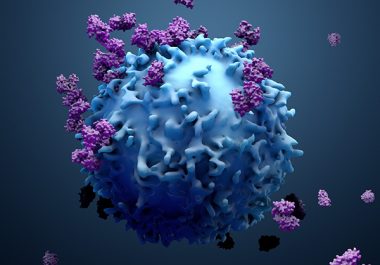
Immunotherapy research has exploded over the past decade and has led to the approval of seven immune checkpoint inhibitors by the United States Food and Drug Administration (FDA) for the treatment...
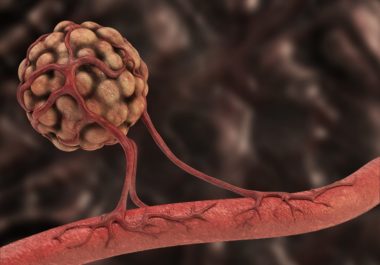
In the early 1990s, Gregg Semenza, MD, PhD, was a postdoctoral researcher studying the cellular response to reduced oxygen levels, a...

Every month, the editors from the portfolio of scientific journals published by the AACR select one “must read” article...

The days are getting longer and warmer, and visions of beach trips, cookouts, and picnics occupy our minds. While this year’s summer will likely look different due to the ongoing COVID-19 pandemic, months...
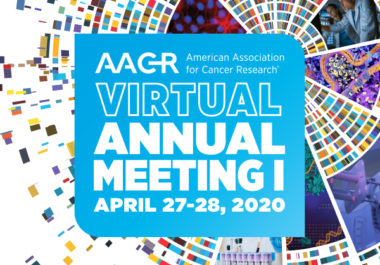
Just over a month ago, the American Association for Cancer Research (AACR) held the first portion of its Annual...
Signaling pathways that regulate cellular proliferation are commonly mutated in cancer cells, leading to unrestrained cellular division and tumor growth. Therefore, insight into the...
Chemistry is often called the “central science,” as this discipline intersects the physical and life sciences to provide an...
The unrestrained cellular proliferation that characterizes cancer largely arises due to genetic mutations, which can impede the regulatory mechanisms that control when and how often a cell divides. Genetic mutations may also...
The strategic alliance between the American Association for Cancer Research (AACR) and Cancer Research UK (CRUK) includes support for...