Award Recipients Announced for the 2026 San Antonio Breast Cancer Symposium
SAN ANTONIO – The San Antonio Breast Cancer Symposium (SABCS) and the American Association for Cancer Research (AACR), an SABCS cosponsor, will honor two researchers for their significant contributions to breast cancer research at SABCS 2026, to be held December 8-11 at the Henry B. González Convention Center in San Antonio, Texas.
2026 AACR Distinguished Lectureship in Breast Cancer Research
Julio A. Aguirre-Ghiso, PhD, has been selected as the recipient of the 2026 AACR Distinguished Lectureship in Breast Cancer Research. This award was established to recognize outstanding science that has inspired, or has the potential to inspire, new perspectives on the etiology, diagnosis, treatment, or prevention of breast cancer.
Aguirre-Ghiso is a professor in the Departments of Cell Biology and Oncology (Medical Oncology), the Rose C. Falkenstein Chair in Cancer Research, and the director of the Cancer Dormancy Institute at the Albert Einstein College of Medicine. He also serves as the coleader of the Tumor Microenvironment and Metastasis Program and associate director of basic science at the Montefiore Einstein Comprehensive Cancer Center in New York.
He is being recognized for his pioneering discoveries that have transformed our understanding of cancer dormancy and metastatic relapse. Aguirre-Ghiso is revered for discovering a new field of cancer biology, revealing how disseminated tumor cells can persist in a regulated dormant state even if they harbor cancer-driving mutations. Further, he expertly uncovered the molecular, microenvironmental, and immune-based mechanisms that control cellular dormancy and reactivation. Through visionary leadership and scientific innovation, he has translated these discoveries into novel therapeutic strategies aimed at preventing metastatic relapse and improving breast cancer patient outcomes.
Aguirre-Ghiso’s research on cancer cell dormancy led to a paradigm shift in cancer biology. His work challenged conventional understanding by revealing that interactions between disseminated tumor cells and the microenvironment regulate transitions between dormancy and metastatic outgrowth. He expanded this research to demonstrate how cell signals in various organs can epigenetically reprogram cancer cells to enter dormant states. In collaboration with Paul Frenette, MD, Aguirre-Ghiso showed how breast cancer cells exploit the same niches that maintain hematopoietic stem cells. This research on early dissemination mechanisms has since been corroborated by human cancer genetics studies. Recently, his research has revealed a previously unrecognized role of lung-resident alveolar macrophages in inhibiting breast cancer metastasis by inducing cancer cell dormancy.
Importantly, Aguirre-Ghiso has also made significant translational contributions to the understanding and treatment of breast cancer, including developing the first dormancy signature that predicts relapse in breast cancer patients and identifying NR2F1 as a marker of relapse risk. Research conducted in his lab also led to the discovery of an NR2F1 agonist that prevents metastasis through stable dormancy induction. More recently, he has demonstrated that repurposed 5-azacytidine and retinoic acid can induce dormancy in relapsing prostate cancer, an approach that is also being evaluated for breast cancer.
Aguirre-Ghiso’s award lecture will be presented on Thursday, December 10, at 10:45 a.m. CT in Hall 1 in the convention center.
Download a photo of Aguirre-Ghiso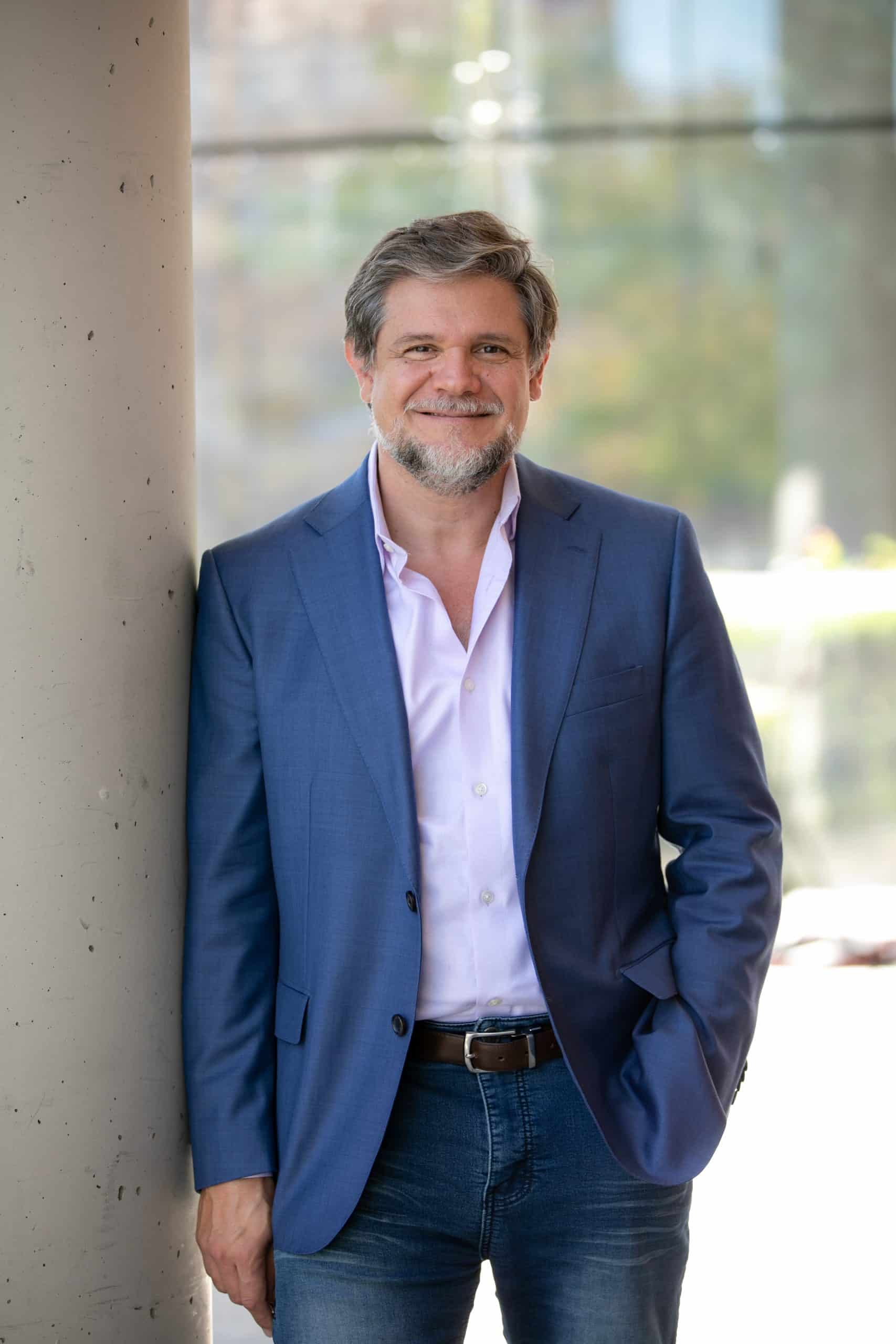
2026 AACR Outstanding Investigator Award for Breast Cancer Research
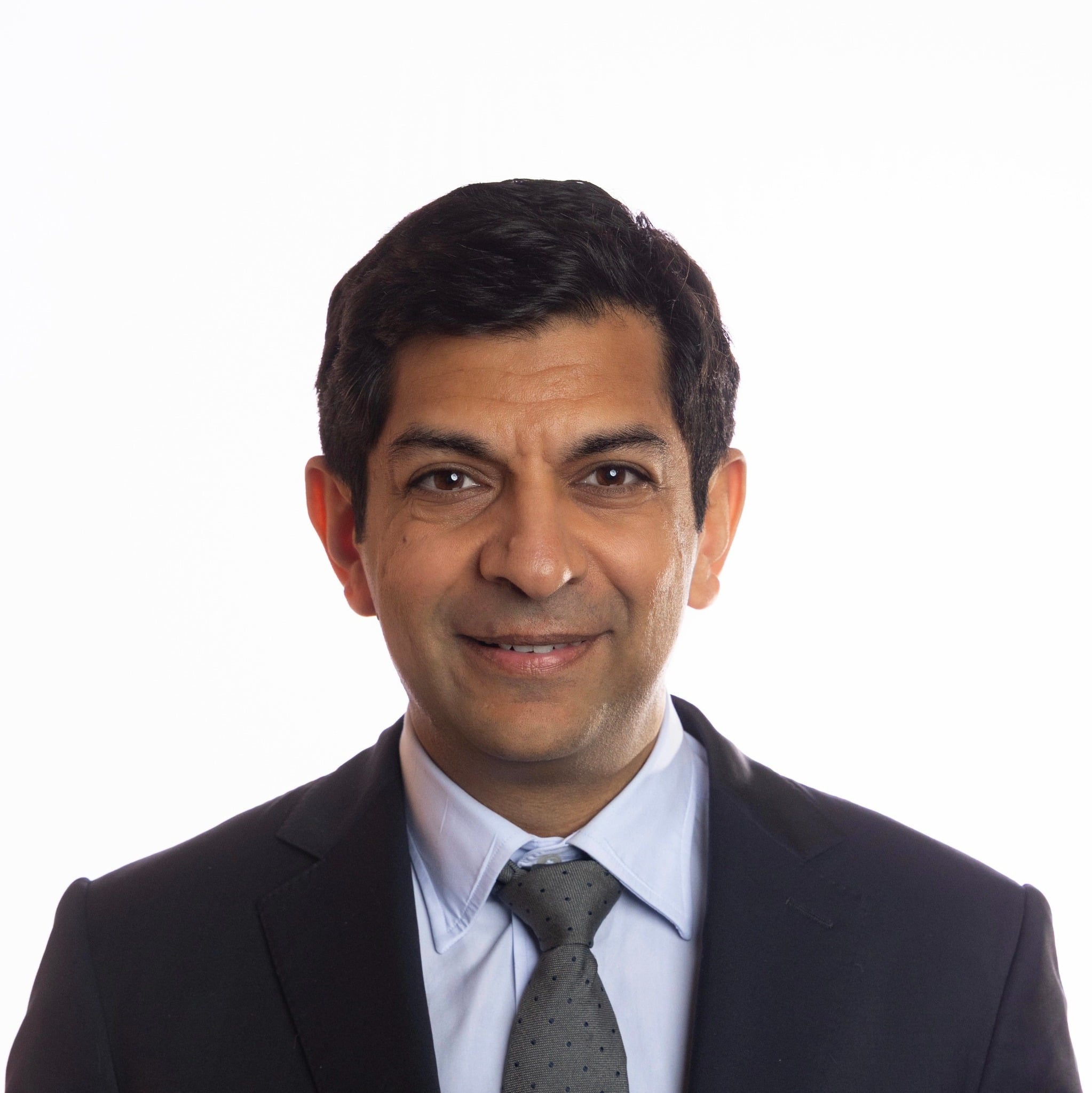
Shom Goel, MBBS, PhD, has been selected as the recipient of the 2026 AACR Outstanding Investigator Award for Breast Cancer Research, supported by the Breast Cancer Research Foundation. This award was established to honor an investigator whose novel and significant work has had or may have a far-reaching impact on the etiology, detection, diagnosis, treatment, or prevention of breast cancer. Such work may involve any discipline across the continuum of biomedical research, including basic, translational, clinical, and epidemiological studies.
Goel is an associate professor, group leader, and medical oncologist at the Peter MacCallum Cancer Centre in Melbourne, Australia.
He is being recognized for groundbreaking discoveries that have advanced our understanding of cell cycle biology and transformed breast cancer treatment. Goel has uncovered novel functions of cell cycle regulatory proteins, revealed how cancer cells respond and adapt to cell cycle arrest, and identified mechanisms that influence therapeutic response and resistance. His pioneering studies have established new links between cell cycle regulation, chromatin biology, cellular senescence, and oncogenic signaling, providing a foundation for novel therapeutic strategies. Through exceptional contributions spanning basic, translational, and clinical research, Goel has advanced breast cancer biology and improved outcomes for patients worldwide.
Goel’s early work characterized a direct link between CDK4 and the TSC-mTOR pathway. He demonstrated that CDK4 phosphorylates TSC2, thereby establishing a connection between the machinery controlling cell proliferation and the pathways regulating cellular growth and metabolism, and linking the CDK4 and HER2 pathways. Importantly, these discoveries provided the scientific rationale for combining CDK4/6 inhibitors with HER2-directed therapies in the phase III PATINA study, in which Goel served as translational principal investigator. The results of this trial have since established a new international standard of care for patients with hormone receptor (HR)-positive, HER2-positive metastatic breast cancer.
Goel also demonstrated that CDK4/6 inhibition enhances antitumor immunity through effects on both tumor cells and immune cells. These findings reshaped the field’s view on the function of CDK4/6 inhibitors and helped establish a biologic rationale for combining CDK4/6 inhibitors with immunotherapeutic agents. In addition, Goel showed that therapy-induced senescence is driven by extensive chromatin remodeling. This work helped redefine senescence as an active, chromatin-driven biological state. More recently, Goel established a previously unrecognized role for the tumor suppressor RB following CDK4/6 inhibition, uncovering RB-mediated expression of estrogen-responsive genes. This finding has provided a framework for understanding the synergy between endocrine therapy and CDK4/6 inhibition, as well as the emergence of therapeutic resistance.
Goel’s award lecture will be presented on Thursday, December 10, at 11:15 a.m. CT in Hall 1 in the convention center.
Download a photo of Goel