Editors’ Picks, July 2026: AI-powered Pancreatic Proteomics, Sex-based Immune Differences, and More
Red, white, and breakthrough! July Editors’ Picks are lighting up the summer like fireworks. This month’s lineup of standout cancer research includes an artificial intelligence (AI) program that can uncover molecular changes in precancerous pancreatic lesions, how sex-based differences influence antitumor immune responses, a new subset of immune cells that contribute to brain metastasis, along with several other exciting articles.
Keep the sparks flying and read the abstracts of the studies highlighted by the editors of the 10 peer-reviewed journals of the American Association for Cancer Research (AACR) below, where links to the full-text articles can also be found. Full-text access to these papers is freely available for a limited time.
Journal: Blood Cancer Discovery
Fludarabine, cytarabine, and G-CSF–based therapy (FLAG) yields approximately 60% 5-year overall survival (OS) in core-binding factor (CBF) acute myeloid leukemia (AML), with potential added benefit with gemtuzumab ozogamicin (GO). Although measurable residual disease (MRD) status via optimal quantitative polymerase chain reaction (qPCR) response (OPR; qPCR <0.1% at the end of induction and <0.01% during/after consolidation) of fusion transcripts predicts survival, the impact of baseline myeloid mutations on OPR and survival with FLAG remains uncertain. We interrogated these factors in 219 first-line patients with CBF-AML (median age 52 years; range, 19–80) treated on a phase II trial (NCT00801489); 51% received FLAG-GO and 49% FLAG idarubicin. Baseline mutations included 49% kinase pathways (non-MAP kinase), 44% MAP kinase, 11% DNMT3A–ASXL1–TET2, and 7% transcription factors. Five-year relapse-free survival and OS were 67% and 74% overall, respectively, 77% and 80% with FLAG-GO. On multivariate analysis, baseline mutations did not affect OPR or survival, whereas FLAG-GO favored both. In CBF-AML, FLAG-based therapy possibly attenuates the prognostic impact of concurrent baseline genomics.
Significance: In CBF-AML treated with conventional intensive chemotherapy, usually 7 + 3, baseline mutations in KIT, chromatin modulators, cohesin complex, etc., garner suboptimal MRD clearance and survival. In our analysis, FLAG-based therapy abrogated the impact of baseline mutations on OPR and survival in CBF-AML, while showing promising long-term survival using FLAG-GO.
Learn how researchers are working to characterize the diverse spectrum of AML: Bloodlines Series: Mapping the Many Paths of Acute Myeloid Leukemia
Journal: Cancer Discovery

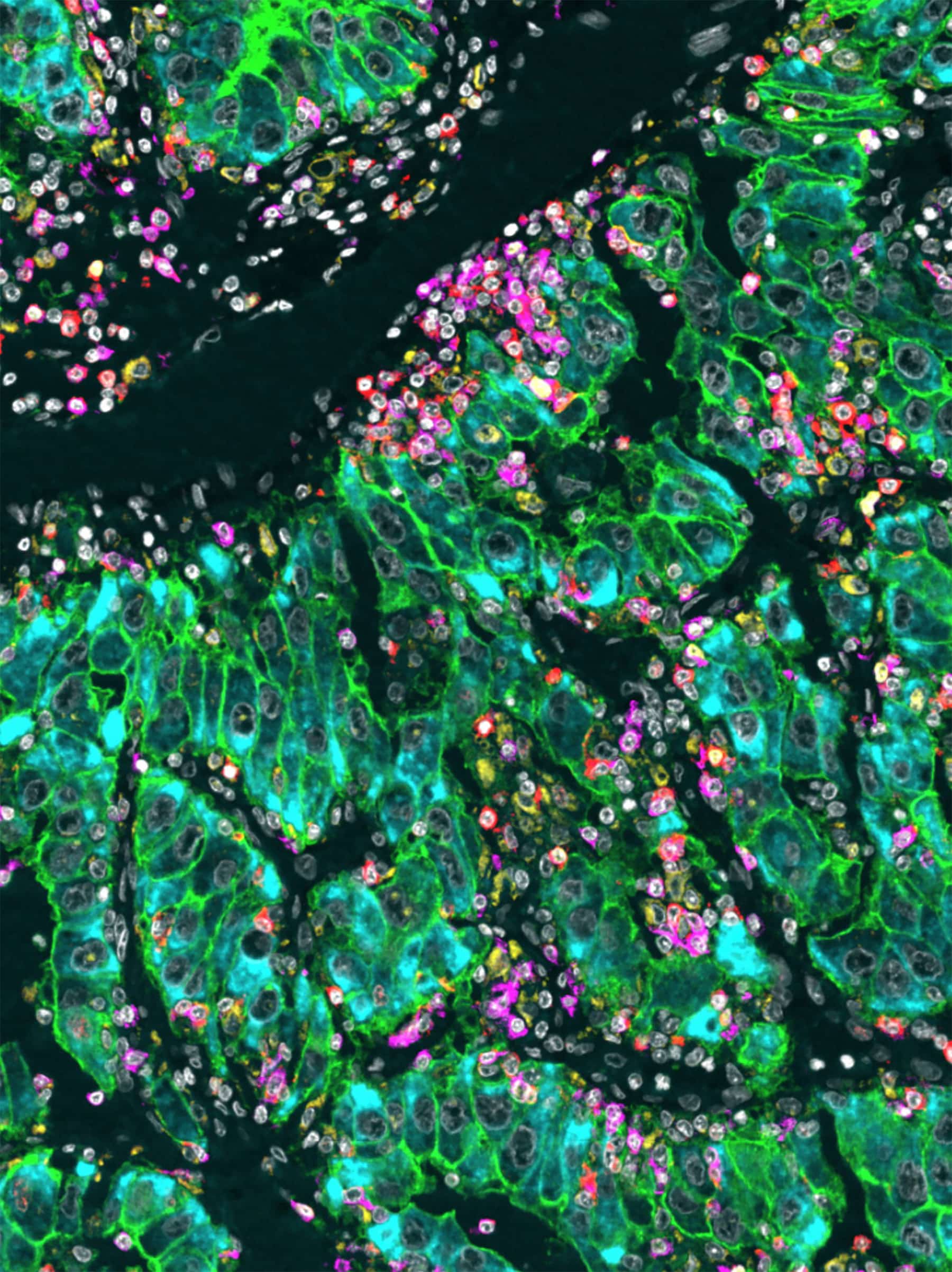
Pancreatic ductal adenocarcinoma (PDAC) evolves through precursors, yet the protein programs governing early progression remain poorly defined. We applied Deep Visual Proteomics (DVP)—integrating computational pathology, laser microdissection, and mass spectrometry (MS)—to profile normal ducts, acinar-to-ductal metaplasia (ADM), low-grade (LG) and high-grade (HG) pancreatic intraepithelial neoplasia (PanIN), and invasive carcinoma from organ donors and patients with PDAC. Quantifying 9,181 proteins from ∼100 cells per region, we uncovered a molecular field effect in histologically normal ducts and proteomic divergence of LG-PanINs by cancer context. We identified four stage-associated molecular programs. Stress adaptation and immune engagement emerged early in cancer-associated normal ducts. Metabolic reprogramming initiated in normal ducts and intensified across PanIN progression. Mitochondrial remodeling became prominent in HG-PanINs before invasion. MS detected KRAS hotspot mutant peptides within incidental precursor lesions from cancer-free individuals. These findings demonstrate that molecular reprogramming precedes histologic transformation, creating opportunities for earlier detection of lethal cancer.
Significance: Artificial intelligence (AI)–guided DVP represents the first in-depth assessment of the proteomic landscapes observed during the multistep progression of pancreatic adenocarcinoma, including histologically normal ducts, ADM, and LG- and HG-PanIN lesions. These data represent a unique resource of candidate biomarkers and interception targets against this lethal disease.
This article was featured on the cover of the July issue, which also included a related commentary.
Learn how researchers are developing a vaccine to prevent precancerous lesions from developing into PDAC: From Treatment to Prevention: How Vaccines Are Reshaping the Fight Against Pancreatic Cancer
Journal: Cancer Epidemiology, Biomarkers & Prevention
Background: Germline genetic susceptibility to pediatric acute lymphoblastic leukemia (pALL) remains incompletely characterized across the allelic spectrum, including ultrarare, high-penetrance cancer-predisposing variants (CPV).
Methods: We analyzed germline genetic data from 3,208 pALL survivors, 7,821 non-pALL survivors, and 377 noncancer controls from the St. Jude Lifetime Cohort Study and the Childhood Cancer Survivor Study. We evaluated enrichment of ultrarare CPVs in 60 curated cancer predisposition genes and conducted a genome-wide association study (GWAS) meta-analysis of common and low-frequency variants.
Results: Compared with noncancer controls, pALL survivors showed significant enrichment of ultrarare CPVs in BRCA1, PALB2, and PTPN11, in addition to established susceptibility genes CDKN2A and TP53. GWAS meta-analysis replicated 93% of previously reported pALL risk variants, with 7 loci achieving genome-wide significance (P < 5 × 10⁻⁸). Two novel variants were identified: rs112425636 within secreted and transmembrane protein 1 [SECTM1; odds ratio (OR) = 1.60; 95% confidence interval (CI), 1.39–1.84; P = 2.77 × 10⁻¹¹] and rs1821340 at 8q24.21 (OR = 1.33; 95% CI, 1.22–1.44; P = 1.63 × 10⁻¹¹). The rs112425636 risk allele was associated with reduced SECTM1 expression in B-cell pALL tumors. The median polygenic risk score was significantly higher in pALL survivors than in non-pALL survivors and noncancer controls (P = 6.64 × 10−147). Single-nucleotide polymorphism–based heritability was 0.19 (standard error = 0.054).
Conclusions: This study comprehensively characterizes the genetic etiology of pALL by integrating ultrarare and common germline variations, expanding the spectrum of inherited risk factors.
Impact: These findings advance the understanding of pALL genetic architecture and inform future risk stratification.
Journal: Cancer Immunology Research
Sex-based differences in cancer incidence are incompletely understood, but potential roles for the immune system are beginning to emerge. CD4+ T cells play a central role in coordinating antitumor immunity. In addition to cytokine production, CD40L expression on CD4+ T cells provides necessary helper signaling to dendritic cells (DC) that is required for the priming of cytotoxic tumor-specific CD8+ T cells. Despite these critical functions, the impact of biological sex on the CD4+ T-cell response to cancer remains unknown. In this study, we demonstrate that impaired immune-mediated tumor control in male mice compared with female mice is driven by disparate CD4+ T-cell responses in a mouse model of bladder cancer. We found that CD40L expression was reduced on CD4+ T cells isolated from males via a mechanism predominantly driven by cell-intrinsic androgen receptor signaling, resulting in decreased DC licensing through CD40 within tumor-draining lymph nodes. These deficits resulted in decreased helper CD4+ T-cell frequencies and impaired CD8+ T-cell function within the male tumor microenvironment, which could be rescued by targeting the CD40L–CD40 axis. Our findings identify a novel mechanism of CD4+ T cell–based sex differences in the immune response to cancer that impairs tumor control.
A related commentary was published in the July issue.
Journal: Cancer Prevention Research
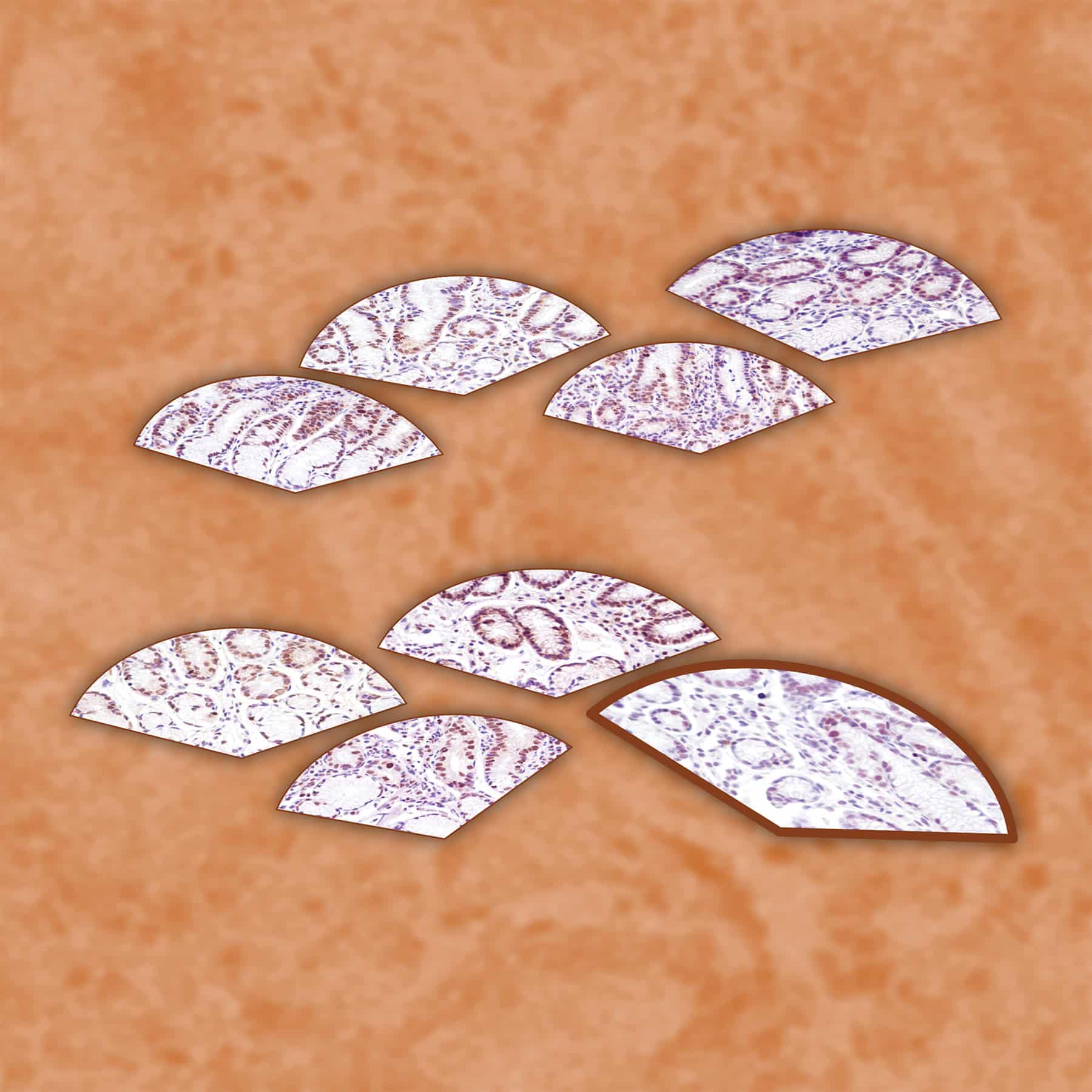
Gastric adenocarcinoma is the fifth leading cause of global cancer mortality and a major health disparity in the United States. Effective chemoprevention strategies are limited for high-risk individuals with gastric premalignant conditions (GPMC). We conducted an NCI Division of Cancer Prevention–funded, double-blinded, phase IIa randomized, placebo-controlled trial evaluating eflornithine for chemoprevention in GPMC (NCT02794428). The study was executed in rural Honduras and Puerto Rico, regions with a high prevalence of Helicobacter pylori and gastric intestinal metaplasia (GIM), from September 2016 to December 2022. Eligible subjects (ages 30–69; H. pylori–positive or H. pylori–negative) were randomized 1:1 to receive 500 mg/day eflornithine or placebo for 18 months. Upper endoscopy was performed at baseline, 6, 18, and 24 months. H. pylori–positive patients were offered antibiotic treatment at 6 months. A total of 211 patients were screened, and 91 were randomized (45 to eflornithine and 46 to placebo). The mean age was 45.2 years (SD 8.8), and 74% were female. At baseline, 46% and 54% had gastric atrophy and GIM, respectively. Eighty percent were H. pylori–positive. Follow-up completion rates were 78 patients (6 months), 69 patients (18 months), and 55 patients (24 months). Eflornithine was well tolerated, with fewer grade 1 to 2 adverse events in the eflornithine group (81 vs. 108, placebo). No significant histology score differences were observed. A significant reduction in DNA damage (pH2AX-positive cells) was observed in the 24-month versus 18-month assessments (P = 0.012). Eflornithine was safe and well tolerated in patients with GPMC. The findings suggest that eflornithine reduces long-term DNA damage, supporting further trials to refine treatment duration and patient selection.
Prevention Relevance: Individuals with GPMCs have limited chemoprevention options despite substantial gastric cancer risk. This phase IIa randomized trial shows that eflornithine is safe and reduces long-term DNA damage, supporting its further evaluation—alone or combined with H. pylori eradication—as a strategy to interrupt gastric carcinogenesis in high-risk populations.
This article was featured on the cover of the July issue, which also included a related commentary and article.
Learn about other biomarkers researchers are using to identify gastric cancer beside H. pylori: Gastric Cancer: Looking Beyond H. Pylori
Journal: Cancer Research (July 1 issue)
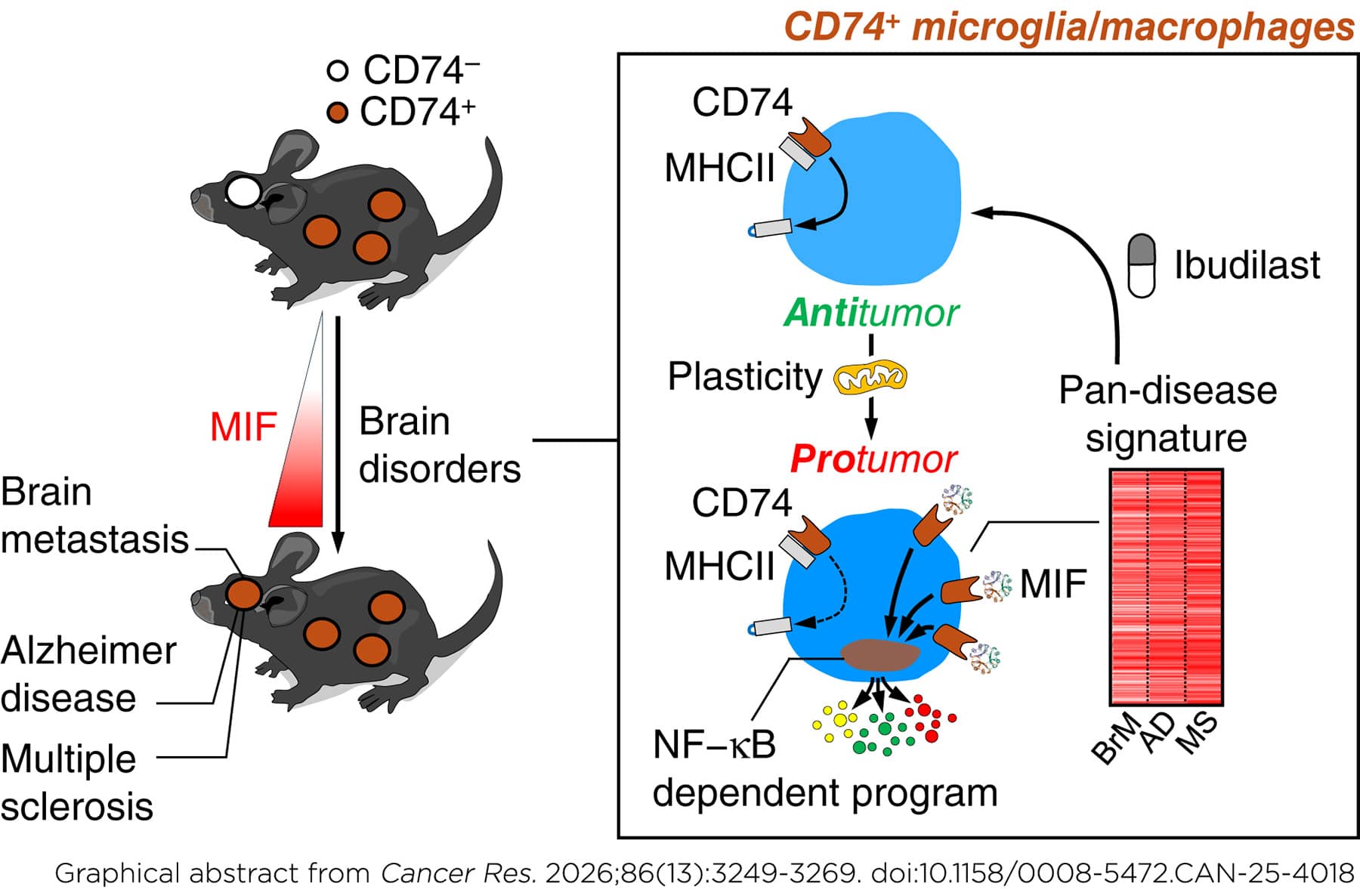
The upregulation of CD74, a chaperone involved in MHC-II antigen processing, has been mostly interpreted as indicative of antigen presentation in multiple brain disorders. However, CD74 expression has also been described in cancer cells across multiple tumor types and in the tumor microenvironment, notably in glioma. In this study, we found that the presence of CD74+ microglia/macrophages, which was induced by increased levels of interferon γ in brains affected by metastases, did not relate to its canonical pathway. Instead, the alternative function of CD74 as a cytokine receptor was pivotal. Proliferating cancer cells produced high levels of the ligand migration inhibitory factor (MIF) that bound the CD74 receptor and induced its translocation to the nucleus where it activated an NF-κB–dependent program that promoted metastatic progression. In patients, a CD74 signature was associated with more aggressive progression of brain metastatic disease, although it had no clinical correlation with the matched primary tumor. Interestingly, a pan-disease noncanonical and clinically relevant signature derived from the CD74+ myeloid population was identified that occurred in additional brain disorders, including Alzheimer’s disease and multiple sclerosis. The brain-penetrant drug ibudilast, which prevents the binding of MIF to CD74, decreased brain metastasis in experimental models in vivo and in patient-derived organotypic cultures ex vivo in a primary tumor–agnostic manner. These findings suggest that MIF/CD74-induced reprogramming of myeloid cells in brain disorders is a vulnerability that could be exploited therapeutically against brain metastases and possibly other brain disorders.
Significance: A reprogrammable subset of CD74+ microglia/macrophages is a shared population with translational relevance across neurologic diseases that drives pathology in brain metastases.
A related commentary was published in the July 1 issue.
Journal: Cancer Research (July 15 issue)
Arginine biosynthesis is frequently suppressed in cancer because of the loss of argininosuccinate synthase 1 (ASS1) expression, rendering cancer cells reliant on extracellular arginine. This feature has driven the development of systemic arginine-depleting strategies, which are clinically safe but offer limited clinical benefit. In this study, we demonstrated that under arginine scarcity, cancer cells with low ASS1 expression resort to aberrant mRNA translation, characterized by ribosomal frameshifts and amino acid misincorporations. Although aberrant proteins originated from most arginine codons, the predominant effect was observed at AGA. This codon preference was caused by a selective decrease in tRNAArg (UCU) levels following arginine deprivation, linked to methyltransferase-like 1 (METTL1)–mediated tRNA modification. Proteomics and immunopeptidomics analyses validated that arginine shortage induced aberrant protein production at the endogenous level. T-cell receptor (TCR) T cells that specifically recognize these HLA-presented mistranslated peptides efficiently killed cancer cells after arginine deprivation. These results lay the foundation for improved cancer therapies by combining systemic arginine-depleting strategies with TCR-based targeting of nonclassical neoantigens.
Significance: Aberrant protein production induced by arginine deprivation in ASS1-low cancers leads to production of neoantigens that represent promising targets for TCR-T cell therapies.
Journal: Clinical Cancer Research (July 1 issue)
Purpose: This study aimed to evaluate the efficacy and safety of PARP inhibitor (PARPi) rechallenge combined with bevacizumab as maintenance therapy in patients with platinum-sensitive recurrent ovarian cancer previously treated with a PARPi.
Patients and Methods: KGOG 3056/NIRVANA-R is a multicenter, single-arm, phase II trial that enrolled 44 patients with platinum-sensitive recurrent ovarian cancer who had received ≥2 prior lines of platinum-based chemotherapy and prior PARPi maintenance. Eligible patients achieving a response to the most recent platinum therapy received daily niraparib and triweekly bevacizumab until disease progression or unacceptable toxicity. The primary endpoint was the 6-month progression-free survival (PFS) rate, analyzed using a Simon two-stage design with adaptive statistical inference.
Results: The primary endpoint was met, with 26 of 44 patients (59.1%) remaining progression-free at 6 months. The estimated 6-month PFS rate was 68% [95% confidence interval (CI), 55%–85%], and the median PFS was 11.5 months (95% CI, 7.9–not reached). Subgroup analyses suggested greater benefit in patients with a longer treatment-free interval after the penultimate chemotherapy and in those who achieved a complete response to the most recent chemotherapy. Grade ≥3 treatment-related adverse events occurred in 27.3% of patients, with no treatment-related deaths or new safety signals observed.
Conclusions: This is the first report of PARPi rechallenge with bevacizumab as maintenance therapy in this setting. The combination demonstrated promising efficacy, particularly in patients with favorable platinum responsiveness, and warrants further investigation in biomarker-driven studies.
A related commentary was published in the July 1 issue.
Journal: Clinical Cancer Research (July 15 issue)
Purpose: Volrustomig is an IgG1 monovalent bispecific antibody engineered to preferentially target cytotoxic T lymphocyte–associated antigen-4 (CTLA-4) on programmed cell death protein 1 (PD-1)–positive T cells while providing adequate and durable PD-1 inhibition. The aim of this phase I, first-in-human study (NCT03530397) is to evaluate the safety, tolerability, pharmacokinetics, immunogenicity, pharmacodynamics, and antitumor activity of volrustomig. This article reports findings for the dose-exploration and immunotherapy-naïve expansion cohorts.
Patients and Methods: Patients aged ≥18 years who had histologically or cytologically confirmed advanced cancer, measurable disease, a performance status of 0 or 1, and adequate organ and marrow function received volrustomig 2.25 to 2,500 mg intravenously every 3 weeks until confirmed disease progression, initiation of alternative cancer therapy, unacceptable toxicity, or consent withdrawal. The primary objective in the dose-exploration phase was to evaluate safety and tolerability, describe dose-limiting toxicities, and determine the maximum tolerated dose. Secondary objectives included the assessment of preliminary antitumor activity and volrustomig pharmacokinetics.
Results: Eighty-six patients received volrustomig treatment in the dose-exploration and immunotherapy-naïve expansion cohorts; 78 (90.7%) patients were immunotherapy-naïve. Common treatment-related adverse events (TRAE) were pruritus (30.2%), hypothyroidism (26.7%), hyperthyroidism (24.4%), and rash (24.4%). TRAEs led to treatment discontinuation in 33.7% of patients and one death. At doses ≥500 mg, volrustomig demonstrated robust peripheral and intratumoral T-cell activation and proliferation at levels greater than those seen with approved PD-1/CTLA-4 regimens. Seventeen (19.8%) patients had objective responses, including 2 (2.3%) complete responses; the median response duration was 17.5 months.
Conclusions: These results support further development of volrustomig as monotherapy and in combination regimens, with phase III trials ongoing.
A related commentary was published in the July 15 issue.
Journal: Molecular Cancer Research
Pediatric cancers are frequently driven by genomic alterations that result in impaired differentiation during development. To identify complex-level dependencies required for differentiation in neuroblastoma, a pediatric cancer of the developing peripheral nervous system, we curated a list of protein complexes using the CORUM database and mined the Dependency Map using gene set enrichment analysis. This analysis identified the noncanonical polycomb repressive complex 1.1 (PRC1.1) complex, which represses transcriptional activity through ubiquitination of histone 2A, lysine 119 (H2AK119Ub), as a selectively enriched dependency in neuroblastoma. Knockout of PRC1.1 subunits reduced neuroblastoma growth by inducing a neuronal differentiation program. Although no known direct inhibitors of PRC1.1 exist, codependency analysis identified that the deubiquitinase USP7 strongly correlated with PRC1.1 dependency. Treatment with XL177A, a small molecule inhibitor of USP7, significantly reduced neuroblastoma growth in both cellular and animal models. Integrated RNA and chromatin immunoprecipitation sequencing showed that both PRC1.1 knockout and USP7 inhibition resulted in highly correlated transcriptional alterations and reduced H2AK119Ub deposition on chromatin, suggesting that USP7 inhibition reduced neuroblastoma growth through a PRC1.1-dependent mechanism. Mechanistically, global proteomics and ubiquitinomics revealed that USP7 inhibition disrupted noncanonical PRC1 complex assembly, resulting in the destabilization of PRC1.1 and subsequent proteolysis. Our findings expand our understanding of the chromatin complexes required to maintain a dedifferentiated state in neuroblastoma and suggest the therapeutic potential for USP7 inhibitors in the treatment of this disease.
Implications: Our study reveals the potential for utilizing USP7 inhibitors to target epigenetic repression of differentiation programs in neuroblastoma by reducing PRC1 activity.
Journal: Molecular Cancer Therapeutics
The ganglioside GD2 is an attractive cancer target because of its high expression in neuroblastoma and other solid tumors with limited normal-tissue distribution. Despite regulatory approvals of three anti-GD2 antibodies, clinical efficacy remains limited by neurotoxicity, suboptimal affinity for antibody-dependent cellular cytotoxicity (ADCC), and immunogenicity. Developing a highly effective, less toxic anti-GD2 agent remains an unmet need. In this study, a novel anti-GD2 murine antibody, CA450, was identified by immunizing mice with GD2 conjugated to keyhole limpet hemocyanin or Qβ virus–like particles, followed by phage display screening. The humanized version, hCA450-21, displayed higher cell-binding activity than ch14.18 and Hu3F8, along with excellent specificity and internalization capacity. To overcome the limitations of traditional anti-GD2 antibody therapy, hCA450-21 was engineered and conjugated to exatecan to create an antibody–drug conjugate (ADC), which may reduce or avoid neurotoxicity by employing a mechanism distinct from ADCC and complement-dependent cytotoxicity. The hCA450-21.1-LA-68B ADC demonstrated potent in vitro cytotoxicity against glioblastoma, melanoma, and breast cancer cell lines and in vivo tumor growth inhibition in LN229 and SK-MEL-5 xenograft models. Toxicity studies in mice showed a favorable safety profile, with reduced neurotoxicity compared with naked antibody therapy by ch14.18-IgG1 and hCA450-21.1-IgG1. The crystal structure of the hCA450-21.1 Fab–GD2 complex was resolved at 1.69 Å, revealing unique hydrogen bonds and hydrophobic interactions that contribute to its high specificity and affinity. Overall, the novel hCA450-21.1-LA-68B ADC shows preclinical efficacy and reduced toxicity, particularly neurotoxicity, indicating potential as a safer and more effective therapy for GD2-positive pediatric and adult tumors.
Journal: Cancer Research Communications
Identifying and Addressing Barriers to Live Primary Prostate Cancer Cell Research in Veterans
Increased comorbidities and unique service-related exposures among veterans may contribute to unique tumor biology that can influence tumor behavior and response to treatment. Research that incorporates live cells from veteran donors can support investigation of the genomic and transcriptomic biology of veteran tumors as well as how those molecular alterations affect tumor function, such as growth, metastasis, and treatment sensitivity. We conducted a systematic literature review to assess veteran-focused prostate cancer studies published in the last decade that incorporate live primary cells. We found that in the past 10 years, 105 prostate cancer studies were published that utilized live primary cells from the general population compared with zero studies utilizing live primary cells from veterans. Analysis of veterans enrolled in a study utilizing live primary cells at the William S Middleton Veterans Affairs demonstrated that 94% of veterans who were presented with a live cell biospecimen donation study ultimately enrolled. Furthermore, survey responses from veterans enrolled in this study showed that 83% of veterans found their research engagement to be a meaningful experience and 70% reported increased healthcare satisfaction as a result of their participation. These findings suggest that the lack of live cell prostate cancer research in veterans seems to be due to a lack of research opportunities for veterans and not a lack of veteran interest in participation. Finally, we demonstrate that implementation of an informatics-based patient screening strategy can potentially support more veteran-focused studies by reducing participant screening time by 89%.
Significance: Live primary cells are a unique model for prostate cancer research that provides both molecular and functional readouts to support advances in veteran prostate cancer care. We detail the shortage of live primary research in veterans and address potential barriers to future studies incorporating this model.