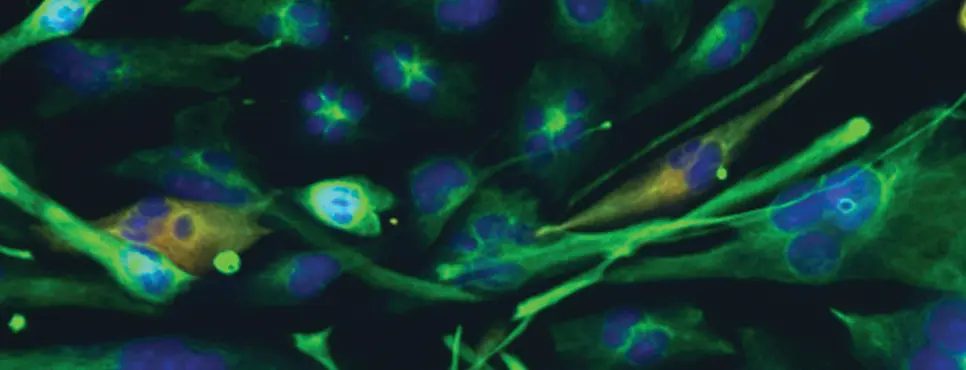
FDA Approvals in Oncology: July-September 2026
During the third quarter of 2026, oncology approvals issued by the U.S. Food and Drug Administration (FDA) expanded the treatment options for some patients with pancreatic, skin, genitourinary, breast, lung, gastroesophageal, and bile duct cancers, as well as several hematologic malignancies. Beyond these several cancer types, one approval issued this quarter applies to solid tumors of any type that share a specific genetic alteration.
Find a summary of each of these approvals below, with context on how these approvals broaden the options for certain patient populations. Check out our FDA approvals page for a comprehensive overview of each oncology approval, including the clinical data that led to each.
Pancreatic Cancer: A RAS-targeted Therapy Arrives
Pancreatic cancer has long been a uniquely difficult-to-treat cancer, with a five-year relative survival rate of just 13.7%. The news of the following approval was a landmark story in the ongoing progress against cancer:
- Daraxonrasib (Rasonque) was approved for adults with metastatic pancreatic adenocarcinoma whose cancer has progressed following at least one prior line of systemic therapy or who cannot receive multiagent systemic therapy.
Daraxonrasib inhibits the RAS family of proteins, mutant forms of which drive most cases of pancreatic cancer. This is the first FDA approval for daraxonrasib, which is the first RAS inhibitor to be approved for pancreatic cancer. Other RAS inhibitors have been approved to treat certain lung cancers and colorectal cancers that harbor a particular mutant form of RAS known as KRAS G12C.
However, KRAS G12C inhibitors are not approved to treat pancreatic cancers because most of them are driven by a different RAS mutant. Because daraxonrasib does not target a specific mutation, it may be effective against different wild-type and mutant RAS proteins. (Learn more about targeting RAS in different cancers through our extensive coverage of the field.)
In the clinical trial on which daraxonrasib’s approval was based, the drug nearly doubled the median overall survival (OS) for the patients who received it (13.2 months) compared with those who received standard-of-care chemotherapy (6.7 months).
Skin Cancers: An Oncolytic Virus and a Light-activated Therapy
Collectively, skin cancers account for more than 6 million treated U.S. cases every year, making them the most common form of cancer. In the third quarter of 2026, the FDA granted approval to two treatments for skin cancer: one for basal cell carcinoma, the most common form of skin cancer, which has a very high survival rate, and another for melanoma, a more aggressive form that has low late-stage survival rates (34% in metastatic cases):
- Aminolevulinic acid hydrochloride (Ameluz) was approved for the treatment of superficial basal cell carcinoma in adult patients.
Aminolevulinic acid hydrochloride is administered as part of a photodynamic therapy regimen, meaning that the therapy activates upon exposure to light. The drug is applied to the skin cancer as a topical gel, and the cancer cells absorb the drug before converting it intracellularly into protoporphyrin IX. Then, the treated lesion is exposed to specialized lamps that emit light at a certain wavelength, which causes the protoporphyrin IX within the cells to release cytotoxic reactive oxygen species, which accumulate and kill the cancer cells.
This is the first approval for aminolevulinic acid hydrochloride for skin cancer; it had been previously approved to treat a precancerous skin condition known as actinic keratosis.
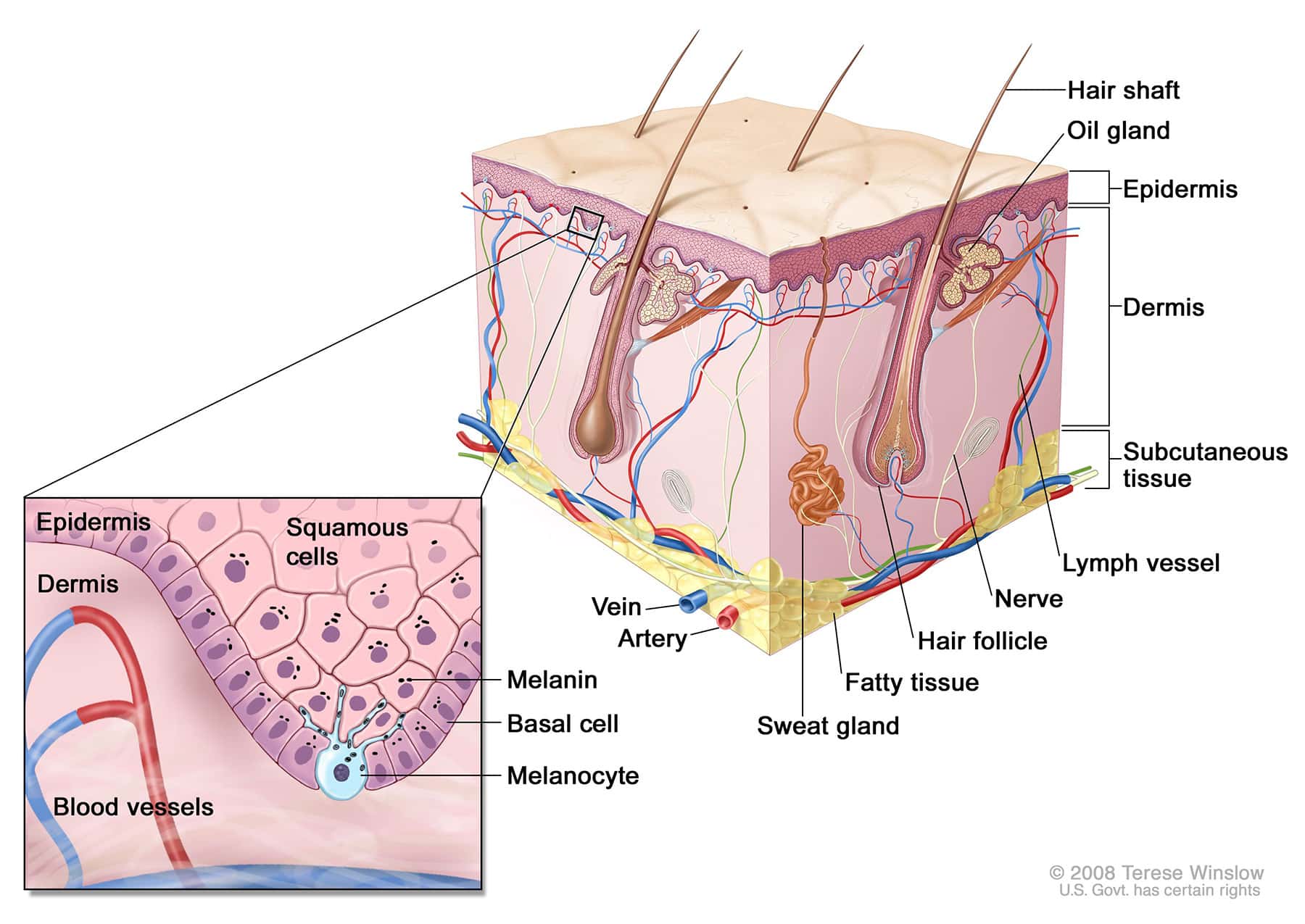
- Vusolimogene oderparepvec-wtpg (Tudriqev) received accelerated approval in combination with the anti-PD-1 therapy nivolumab (Opdivo) for adults with unresectable advanced cutaneous melanoma that progressed on a prior PD-1-blocking antibody therapy.
Vusolimogene oderparepvec-wtpg is an oncolytic viral therapy that selectively targets cancer cells by taking advantage of their impaired antiviral defenses. The virus replicates inside cancer cells, which ultimately kills the cells. In addition to directly destroying cancer cells, the combination treatment may help stimulate the immune system to mount an attack against the tumor.
This approval offers a new option to patients with melanoma whose cancer has developed resistance to anti-PD-1 therapy (a common situation that leaves patients with limited options); vusolimogene oderparepvec-wtpg is designed to restore tumors’ anti-PD-1 sensitivity.
Presented at the AACR Annual Meeting 2021, an early clinical biomarker study of vusolimogene oderparepvec-wtpg supported its use in combination with anti-PD-1 immune checkpoint inhibitor therapy.
Because vusolimogene oderparepvec-wtpg was granted accelerated approval—a process that uses early clinical results before clinical trial endpoint data are fully mature—evaluation of the drug’s performance is ongoing.
Genitourinary Cancers: Immunotherapy, Radiotherapy, and a Small Molecule
Genitourinary cancers include several different types, which collectively account for over 503,000 estimated new cancer cases in the United States in 2026.
This past quarter, three therapies received approvals for three different genitourinary cancers: muscle-invasive bladder cancer (MIBC); metastatic androgen pathway modulation-naive or -sensitive (mAPMN/S) prostate cancer, which was previously known as metastatic hormone-sensitive prostate cancer; and renal cell carcinoma with a clear cell component (ccRCC).
- Pembrolizumab (Keytruda) or pembrolizumab and berahyaluronidase alfa-pmph (Keytruda Qlex), each in combination with enfortumab vedotin-ejfv (Padcev), was approved as neoadjuvant treatment (before surgery) followed by adjuvant treatment after cystectomy (surgery to remove the bladder) for adults with MIBC.
This approval expanded the availability of pembrolizumab plus enfortumab vedotin-ejfv as a perioperative treatment (meaning before and after surgery) to all patients with cystectomy-eligible MIBC—not just those ineligible for cisplatin-based chemotherapy, as was the case when pembrolizumab plus enfortumab vedotin-ejfv was initially approved for MIBC as perioperative therapy in 2025. - Lutetium Lu 177 vipivotide tetraxetan (Lu 177 vipivotide tetraxetan, Pluvicto) was approved in combination with androgen receptor pathway inhibitor therapy for adults with prostate-specific membrane antigen (PSMA)-positive mAPMN/S prostate cancer.
Previously, Lu 177 vipivotide tetraxetan, a radioligand therapy, had been approved to treat metastatic castration-resistant prostate cancer.
The standard of care for mAPMN/S prostate cancer has long been androgen receptor pathway inhibitor therapy. The approval of Lu 177 vipivotide tetraxetan in combination with androgen receptor pathway inhibitor therapy gives patients with mAPMN/S prostate cancer a potentially more effective treatment option. - Belzutifan (Welireg) was approved in combination with lenvatinib (Lenvima) for adults with advanced ccRCC who had previously received an immune checkpoint inhibitor therapy that targeted either PD-1 or PD-L1.
Belzutifan blocks the cellular processes that help cells survive in environments with low oxygen—a frequent feature of tumors. The combination of belzutifan and lenvatinib had been previously approved to treat advanced ccRCC after prior immune checkpoint inhibition and antiangiogenic therapy. The latest approval allows the regimen to also be used to treat patients who have not received prior antiangiogenic therapy.
Breast Cancer: Three New Treatment Options for Advanced, HR-positive Disease
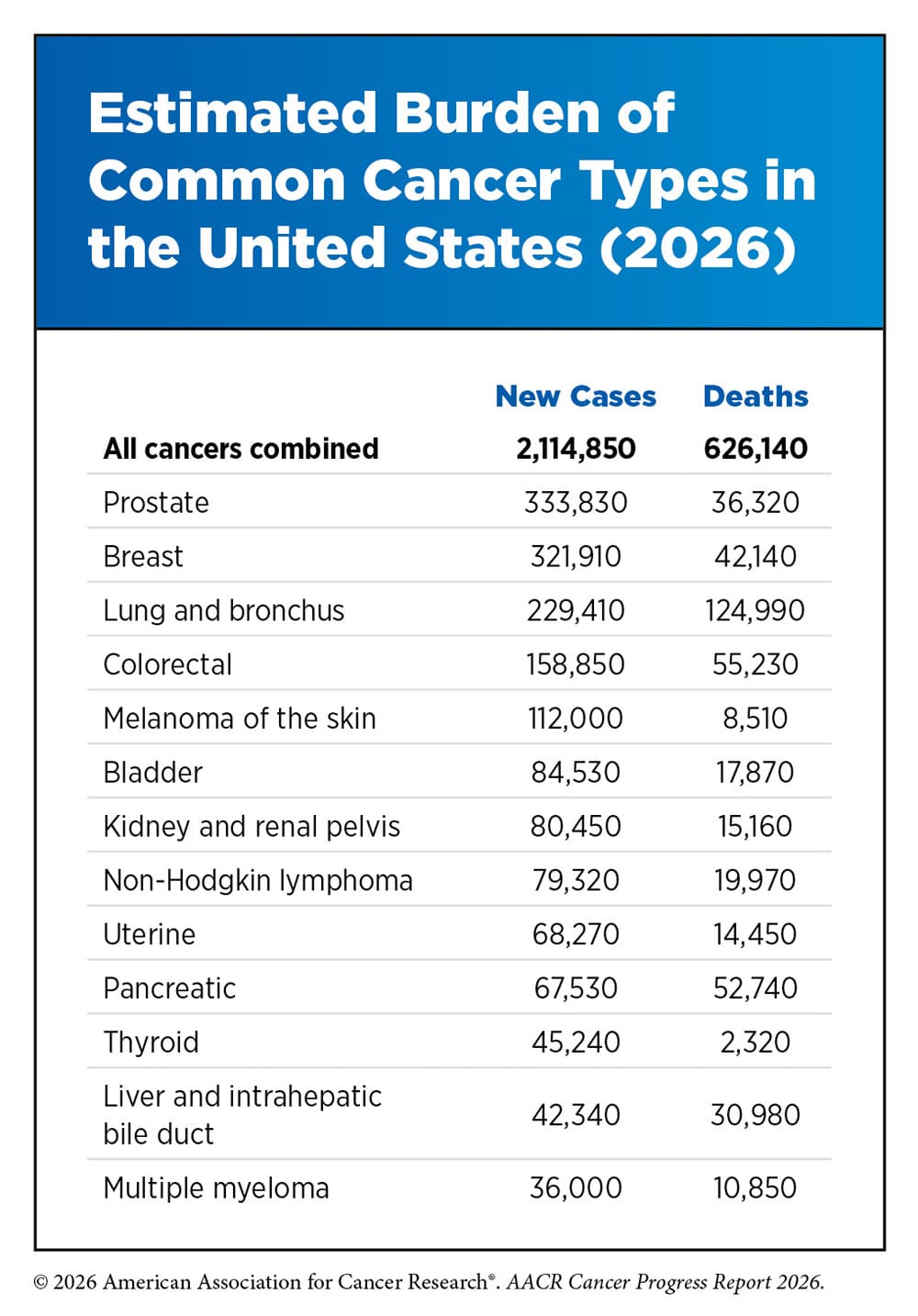
Apart from nonmelanoma skin cancers, breast cancer remains the most common form of cancer among women, with federal statistics estimating that 321,910 new cases will be diagnosed in the United States this year alone.
This quarter, three new approvals came through for therapies that treat the most common subtype of breast cancer: hormone receptor (HR)-positive, human epidermal growth factor receptor 2 (HER2)-negative breast cancer, which accounts for about 70% of all breast cancer cases.
Breast cancers of this subtype are typically treated with endocrine therapies, but resistance to those therapies commonly develops. Each of this quarter’s FDA-approved breast cancer treatments aims to circumvent resistance to endocrine therapy.
- Gedatolisib (Revtorpyk) was approved in combination with fulvestrant (Faslodex), with or without palbociclib (Ibrance), for adults with HR-positive, HER2-negative locally advanced or metastatic breast cancer without a PIK3CA mutation whose disease progressed on or after at least one line of endocrine therapy in the metastatic setting.
Gedatolisib is a kinase inhibitor of multiple targets within the PI3K/AKT/mTOR (PAM) signaling pathway. Upregulation of this pathway is associated with resistance to endocrine therapy and CDK4/6 inhibition, and gedatolisib is the first FDA-approved inhibitor to target multiple proteins within the pathway as a way to reduce the risk of resistance.
The data on which gedatolisib’s approval was based were presented at the San Antonio Breast Cancer Symposium 2025, which is co-organized by the American Association for Cancer Research (AACR).
The other two approvals for breast cancer this quarter aim to elide a different resistance mechanism for endocrine therapy enabled by mutations in the ESR1 gene, which encodes the estrogen receptor (ER).
- Camizestrant (Etcamah) received accelerated approval in combination with a CDK4/6 inhibitor (abemaciclib [Verzenio], palbociclib, or ribociclib [Kisqali]) for adults with HR-positive, HER2-negative locally advanced or metastatic breast cancer upon detection of an ESR1 mutation in circulating tumor DNA (ctDNA) in the course of aromatase inhibitor and CDK4/6 inhibitor therapy.
- Imlunestrant (Inluriyo) was approved in combination with abemaciclib for adults with ER-positive, HER2-negative advanced or metastatic breast cancer with a ctDNA-confirmed ESR1 mutation that progressed following at least one line of endocrine therapy.
Both camizestrant and imlunestrant are selective estrogen receptor degraders (SERDs), which degrade the estrogen receptor encoded by ESR1 in both its wild-type and mutated forms. These therapies represent the first approved treatments to require ctDNA-based detection of a resistance mutation.
The preclinical characterization of camizestrant was published in Cancer Research in 2023; the same journal also published the preclinical characterization of imlunestrant in 2025.
Non-small Cell Lung Cancer: Kinase Inhibitors Targeting Cancer Drivers
Lung cancer remains the single biggest driver of cancer mortality in the United States; the disease will likely result in an estimated 124,990 deaths in 2026.
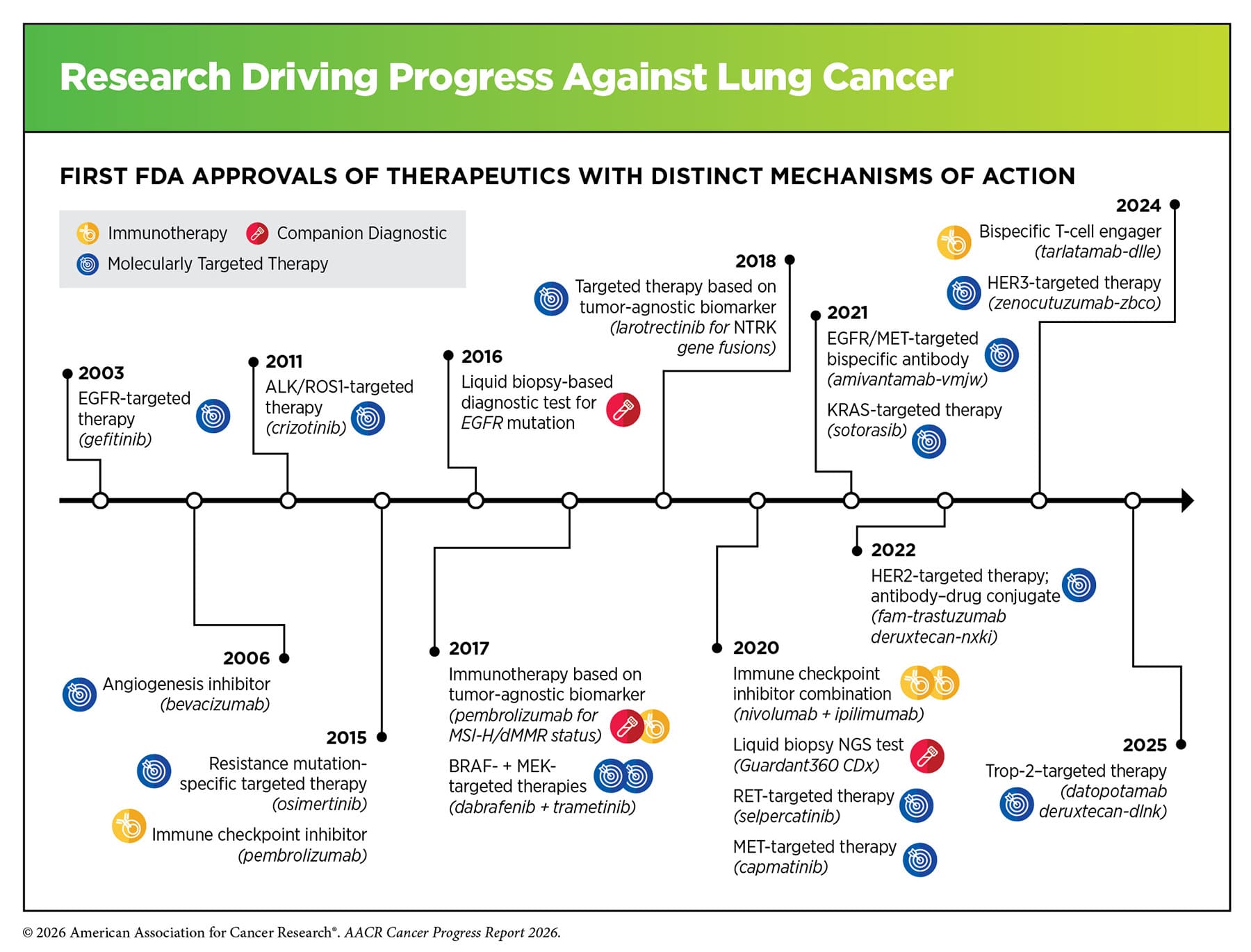
Lung cancer mortality in the United States, though still high, has been falling steadily, thanks in part to the decline in smoking rates and treatment advances, including the development of kinase inhibitors. This quarter, the FDA greenlit two new kinase inhibitors for non-small cell lung cancer (NSCLC):
- Zidesamtinib (Jideytro), a next-generation ROS1 inhibitor, was approved for adults with locally advanced or metastatic NSCLC harboring a ROS1 fusion gene who received at least one prior ROS1-targeted therapeutic.
Zidesamtinib is notable in that it is an inhibitor of ROS1 that can still be effective in patients who have developed resistance to previous ROS1-targeting treatments. A study published in Molecular Cancer Therapeutics demonstrated its preclinical efficacy and showed that the drug was active even in the presence of several mutations known to confer resistance to ROS1-targeting therapy. - Sevabertinib (Hyrnuo), a kinase inhibitor of HER2, received accelerated approval for adults with locally advanced or metastatic non-squamous NSCLC with tumors that have activating mutations in the tyrosine kinase domain of HER2.
Sevabertinib received accelerated approval for the same tumor type in November 2025 for patients who had received a prior systemic therapy; the approval from the third quarter of 2026 makes it available in the first-line setting. Sevabertinib’s preclinical characterization was published in Cancer Discovery.
Gastroesophageal Cancers: New First-line Regimens for HER2-positive Disease
Gastroesophageal cancers include cancers of the stomach, the esophagus, and the junction of the two organs. About 20% of gastric cancers and esophageal adenocarcinomas, and 30% of gastroesophageal junction cancers are HER2-positive. Until this past quarter, trastuzumab (Herceptin) was the only HER2-targeted therapy approved for these cancers.
As of August, certain patients with HER2-positive gastroesophageal cancer now have the option of another HER2-targeted therapy that can be used in the first-line setting:
- Zanidatamab-hrii (Ziihera), a bispecific HER2-targeting antibody, was approved as part of two first-line treatment regimens for adults with HER2-positive gastroesophageal cancers. The two approved indications were:
- in combination with fluoropyrimidine- and platinum-containing chemotherapy and tislelizumab-jsgr (Tevimbra) to treat adults with unresectable locally advanced or metastatic gastric, gastroesophageal junction, or esophageal adenocarcinoma that is HER2-positive, defined as having either high HER2 protein expression or equivocal HER2 protein expression with confirmed HER2 gene amplification; and
- in combination with fluoropyrimidine- and platinum-containing chemotherapy to treat adults with unresectable locally advanced or metastatic gastric, gastroesophageal junction, or esophageal adenocarcinoma that has high HER2 protein expression.
Early-phase clinical efficacy and safety of zanidatamab-based therapy were reported in a study published in Clinical Cancer Research.
Bile Duct Cancer: A Targeted Option for FGFR2-altered Disease
Bile duct cancer, or cholangiocarcinoma, is a rare cancer type that is associated with a poor prognosis.
In the third quarter of 2026, the FDA approved a drug for patients with cholangiocarcinoma that harbors a certain genetic alteration:
- Lirafugratinib (Lyrfigtu), a kinase inhibitor, was approved for adults with previously treated, unresectable, locally advanced or metastatic cholangiocarcinoma with a rearrangement in or fusion involving the fibroblast growth factor receptor 2 (FGFR2) gene.
The fusion proteins encoded by fusion genes make for highly selective cancer targets. About 10% to 15% of intrahepatic cholangiocarcinomas harbor FGFR2 fusion genes, which, in turn, encode FGFR2 fusion proteins. These fusion proteins can drive cell proliferation and activate other cancer signaling pathways.
Lirafugratinib is designed to overcome resistance to other FGFR2 inhibitors.
Early results from the clinical trial that supported the approval of lirafugratinib were reported at the AACR-NCI-EORTC Molecular Targets and Cancer Therapeutics Meeting in 2023.
Hematologic Malignancies: A New Subcutaneous Option, First-in-class Agents, and the First New Thrombocythemia Option Since the 1990s
It is estimated that multiple myeloma will be diagnosed in about 36,000 people in the United States this year and that approximately 10,850 individuals will die of the disease.
Two new treatment options were made available to patients with multiple myeloma during the third quarter of 2026—including a subcutaneous formulation of a multiple myeloma drug that is typically delivered intravenously:
- Isatuximab-irfc (Sarclisa Escena), a CD38-targeting monoclonal antibody, was approved as a subcutaneous injection across multiple myeloma indications. The approved indications for isatuximab-irfc are as follows:
- in combination with pomalidomide (Pomalyst) and dexamethasone for adults with multiple myeloma who have received at least one prior line of therapy that included lenalidomide (Revlimid) and a proteasome inhibitor;
- in combination with carfilzomib (Kyprolis) and dexamethasone for adults with relapsed or refractory multiple myeloma that has been previously treated with one to three prior lines of therapy; and
- in combination with bortezomib (Velcade), lenalidomide, and dexamethasone for adults with newly diagnosed multiple myeloma who are ineligible for autologous stem cell transplant.
For patients eligible for the treatment, the new approval offers to save them time compared with intravenous infusion, thus potentially making treatment more accessible.
- Iberdomide (Zenbexus) received accelerated approval in combination with daratumumab and hyaluronidase-fihj (Darzalex Faspro) and dexamethasone for adults with multiple myeloma who have received at least one prior line of therapy including a proteasome inhibitor and an immunomodulatory agent.
Iberdomide induces the degradation of certain transcription factors that promote melanoma growth and those that regulate the immune response.
The other two approvals for hematologic cancers from this quarter cover myeloproliferative neoplasms—conditions in which blood cells of varying types are overproduced.
- Rusfertide (Mimrylo), a first-in-class drug designed to mimic a protein that regulates iron, was approved for adults with polycythemia vera.
Polycythemia vera is a rare, slow-growing blood cancer characterized by excessive production of red blood cells, and an estimated 65,000 individuals live with the disease in the United States.
The production of red blood cells depends on iron, so rusfertide is designed to mimic the protein hepcidin, which is responsible for regulating iron dynamics. Rusfertide lowers the overall availability of iron in the bloodstream, which then reduces the iron available for red blood cell production. - Ropeginterferon alfa-2b-njft (Besremi) injection was approved for adults with essential thrombocythemia.
This new approval is notable because no new therapy had been approved for essential thrombocythemia—a condition in which the bone marrow produces too many platelets—in nearly 30 years. The condition is rare, occurring in an estimated 1.55 people for every 100,000, but for those who do have it, the standard first-line treatment, hydroxyurea, has posed significant issues with severe side effects. Ropeginterferon alfa-2b-njft, a modified form of interferon, works by binding to the cells in the bone marrow responsible for excess platelet production.
Solid Tumors: A Tissue-agnostic Accelerated Approval Converted to Traditional
Tissue-agnostic therapeutics are approved for solid tumors that harbor certain molecular features, regardless of where in the body the tumor originated.
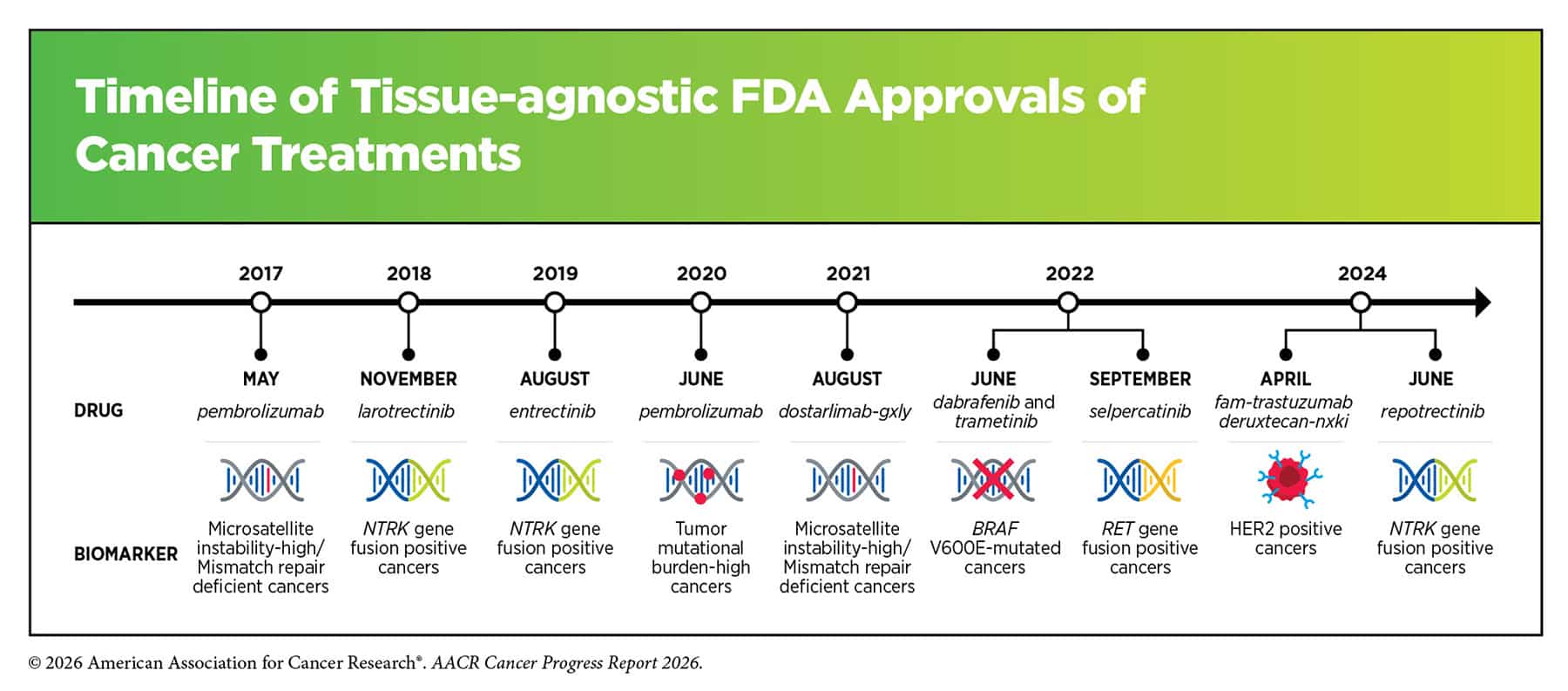
This quarter, the FDA converted an accelerated approval of a tissue-agnostic treatment to a traditional approval. When an accelerated approval is converted to a traditional approval, it means that follow-up clinical testing confirmed that the treatment provides clinical benefit.
- Selpercatinib (Retevmo) was granted traditional approval to treat RET-fusion-positive solid tumors in adult and pediatric patients aged 2 and older. This indication is for patients whose disease has progressed following prior systemic treatment or who have no other satisfactory alternative treatment options.