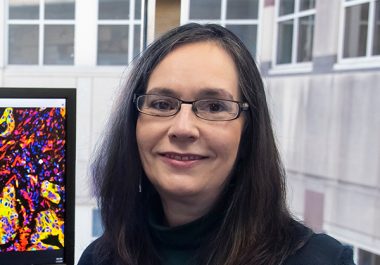
3-D Vision Brings New Perspectives
When Edna Cukierman, PhD, obtained an independent research position and decided to apply for a cancer research grant, she had one problem: “I didn’t know anything about cancer,” she recalls.
Since 1993, the AACR has awarded more than $542 million in grants to fund meritorious research projects across the spectrum of cancer science, including basic, translational, and clinical research. See how the AACR grants program has contributed to the AACR's mission.
When Edna Cukierman, PhD, obtained an independent research position and decided to apply for a cancer research grant, she had one problem: “I didn’t know anything about cancer,” she recalls.
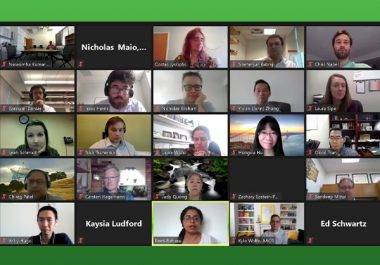
As the coronavirus pandemic continues to ravage the world, conferences and meetings worldwide are being canceled or moved to virtual mode. This loss of in-person interactions has significantly reduced the number of opportunities for researchers to share ideas, present research, learn career advancement skills, and establish connections with peers, colleagues, and potential collaborators.
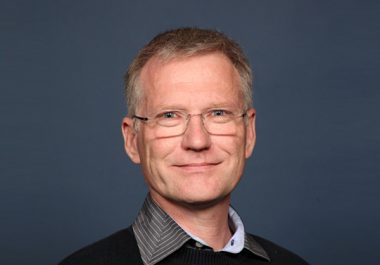
The AACR-Novocure Tumor Treating Fields Research Grants represent a joint effort to promote and support innovative research focused on Tumor Treating Fields (TTFields), which are intermediate frequency, low intensity, alternating electric fields that disrupt cell division in cancer cells. 2020 grant recipient Carsten Hagemann, PhD, shares his perspectives on the myriad benefits of the grant.
Researchers have been trying to get a better understanding of the biodistribution and durability of the CAR T response once inside the body. Two recent publications in Cancer Research and Clinical Cancer Research have reported on two different kinds of PET imaging techniques to monitor the CAR T cells inside the body.
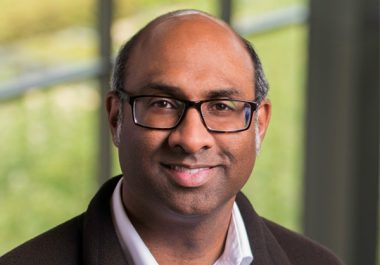
After undergraduate education at Harvard University, Ravi Majeti earned his MD and PhD at University of California San Francisco. He took an interest in acute myeloid leukemia (AML) in medical school and cared for patients with AML during his residency in internal medicine at Brigham and Women’s Hospital in Boston and Hematology fellowship at Stanford University...
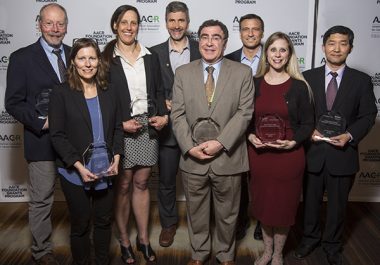
Lung cancer remains the number one cause of cancer-related death. This persistent dismal prognosis has been largely attributed to late-stage diagnosis, when 5-year survival rates are less than 5%. Although the potential of lung cancer screening to reduce lung cancer-related mortality has been demonstrated, there remains a need for more effective and less invasive early detection methods. The AACR-Johnson & Johnson Lung Cancer Innovative Science Grants are fueling...
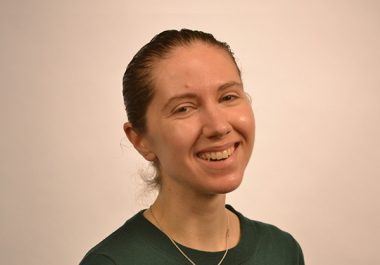
Despite demonstrated success in many solid tumor types, immune checkpoint blockade (ICB) agents have minimal efficacy in high grade serous ovarian cancer (HGSC). In this study, the authors describe a novel bispecific anti-PD-1/PD-L1 antibody, which showed increased anti-tumor efficacy compared to mono-specific anti-PD-1 or anti-PDL1. The researchers also...
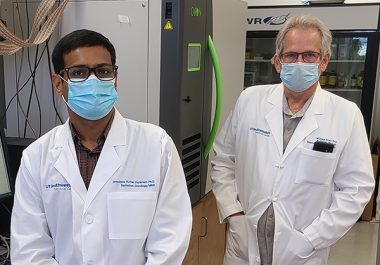
In 2019, Michael D. Story, PhD, was one of the inaugural recipients of the AACR-Novocure Tumor Treating Fields (TTFields) Research Grants Program. Now in 2020, he has the pleasure of seeing his mentee, Narasimha Kumar Karanam, PhD, receive an AACR-Novocure Career Development Award for Tumor Treating Fields Research.
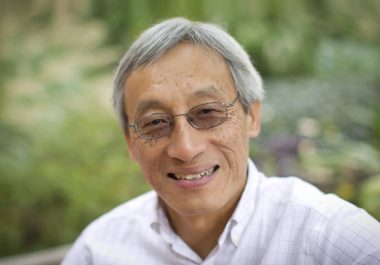
Dr. Channing Der serves as the Sarah Graham Kenan Professor of Pharmacology at the Lineberger Comprehensive Cancer Center at the University of North Carolina at Chapel Hill. Having received his PhD from the University of California at Irvine, Dr. Der went on to complete his postdoctoral research training at the Dana-Farber Cancer Institute and Harvard Medical School. As a two-time PanCAN-AACR grant recipient...
AACR has been the Scientific Partner of Stand Up To Cancer (SU2C) since 2008. It supports the scientific oversight, expert peer review and administration of many SU2C-funded grants. To keep the scientific community informed of the impact of this scientific partnership, a subset of research articles published by SU2C-funded scientists are summarized.